Lithium-Ion UPS Batteries: What EPA's Coming Universal Waste Rule Means for Data Center EHS Teams
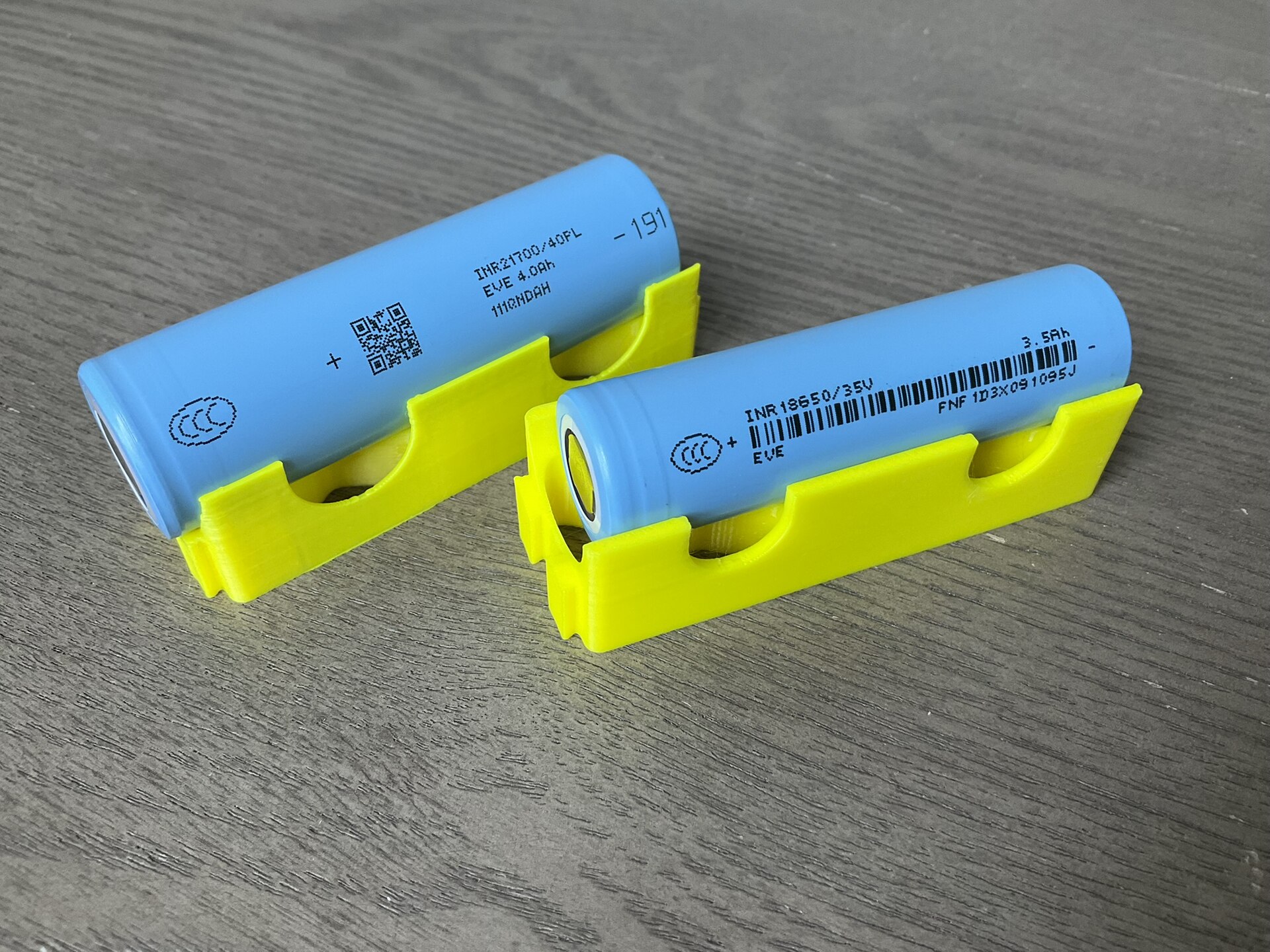
TL;DR for EHS managers: Spent lithium-ion UPS batteries are, in most cases, a RCRA hazardous waste that you may manage under the universal waste rule. That rule is about to change: EPA is drafting a lithium-specific universal waste category, and on September 15, 2026 the U.S. House passed the BRACE Act (H.R. 9615), which would require EPA to issue that rule within 18 months of enactment. Nothing changes for generators today, but the data you keep now is what will make the transition painless.
Why this matters for data centers right now
Lithium-ion first appeared in data center UPS systems as an alternative to VRLA lead-acid, valued for reliable performance, low maintenance and small footprint (DCD). With AI capacity growing, end-of-life volumes follow. Wastetide's own research projects the recyclable value of Gen-AI e-waste rising from €35 million in 2025 to roughly €1.5 billion by 2030 under a moderate adoption scenario (Wastetide e-waste report).
What the rules say today
- Hazardous by default. EPA's May 24, 2023 memorandum indicates most spent lithium-ion batteries are hazardous waste for ignitability (D001) and reactivity (D003) (Human-I-T summary of EPA guidance).
- Universal waste is an option, not an exemption. Federal universal waste covers five categories: batteries, pesticides, mercury-containing equipment, lamps and aerosol cans (EPA, 40 CFR Part 273). Lithium-ion currently falls under the general "batteries" category.
- Damaged batteries are different. Damaged or defective lithium batteries cannot be managed as universal waste and fall under full RCRA hazardous waste requirements (Premier).
- Shipping is DOT, not EPA. Packaging follows 49 CFR 173.185, with damaged, defective or recalled (DDR) units under 173.185(f) (ALL4). Under PHMSA's HM-215Q rule, watt-hour marking has been mandatory since April 10, 2025, and older Lithium Battery Marks with a phone number are prohibited after December 31, 2026.
- You stay liable. Under RCRA's cradle-to-grave system, the site generator is responsible even when contractors create the waste on facility property (ALL4).
What is changing
1. EPA's lithium battery universal waste category
EPA states it is working on universal waste standards specially tailored for lithium batteries, separate from the existing battery category, to reduce fires from mismanaged end-of-life batteries (EPA). The regulatory agenda projected a proposed rule in February 2026 and a final rule in August 2027, with possible delays; any final rule only takes effect in authorized states once they adopt it (Beveridge & Diamond). Expect more prescriptive storage requirements and labeling as "universal waste lithium batteries" (Beveridge & Diamond, 2023).
2. The BRACE Act (H.R. 9615)
Passed by the House on September 15, 2026, the bill orders EPA to issue a rule on managing lithium-ion batteries as universal waste within 18 months of enactment, and lets destination facilities store batteries where they recycle them (Congressional Record H5678). It now awaits the Senate Environment and Public Works Committee (Resource Recycling). It is not law yet.
The 5-point checklist for data center EHS teams
- Inventory by chemistry. Separate VRLA, NMC, LFP and NiCd streams per site, with kWh and condition.
- Quarantine DDR batteries. Swollen, leaking or hot units leave the universal waste stream.
- Audit labels and markings before the December 31, 2026 DOT deadline.
- Verify your downstream. Ask for certificates of recycling traceable to serial numbers and check R2v3 or e-Stewards status.
- Price the material, not just the pickup. NMC batteries carry nickel and cobalt whose value can largely offset recycling costs, while LFP may not cover them (DCD/Vertiv). Know which one you have before you sign.
[[button-1]]
Where Wastetide fits
Battery decommissioning creates invoices, manifests and certificates scattered across vendors. Wastetide reads your waste invoices and contracts to flag overcharges (contract monitoring), structures compliance data for reporting (automated, compliant data), and identifies materials with resale value so you can get buyer quotes (material identification). Choosing a tool? Read how to choose your waste management software.
[[button-2]]
FAQ
Are lithium-ion UPS batteries hazardous waste in the US?
Usually yes. EPA's 2023 guidance indicates most spent lithium-ion batteries exhibit ignitability (D001) and reactivity (D003). Intact batteries may be managed under the universal waste rule (40 CFR Part 273).
Has EPA created a lithium battery universal waste category?
Not yet. EPA is drafting one; the regulatory agenda targeted a final rule in August 2027, and states must adopt it before it applies.
What is the BRACE Act?
H.R. 9615, passed by the House on September 15, 2026, would require EPA to issue a lithium-ion universal waste rule within 18 months of enactment. It still needs Senate passage and a presidential signature.
Can damaged UPS batteries ship as universal waste?
No. Damaged or defective lithium batteries fall under full RCRA hazardous waste rules and DOT's DDR packaging requirements in 49 CFR 173.185(f).
Sources: U.S. EPA; Congressional Record (Sept. 15, 2026); Resource Recycling; Beveridge & Diamond; ALL4 Inc.; Human-I-T; Premier LogiTech; DatacenterDynamics. Image: "18650 and 21700 lithium ion battery cell", Wikimedia Commons, CC0 1.0. This article is informational and not legal advice.
You may like
Turn waste into opportunity.
Hack the flow.
Join Wastetide.
At Wastetide, we turn discarded materials into new possibilities.
We combine responsible sourcing and bold design to transform waste into meaningful, sustainable value.
